Responsible Gaming Guide – How to Play Safely and Stay in Control

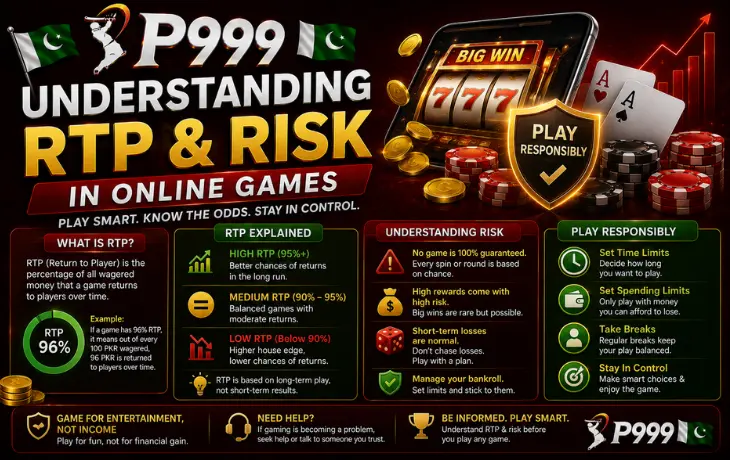
Responsible Gaming Guide content exists for one simple reason: real-money games should stay fun, not turn into a source of stress. This page covers practical habits that help you stay in control, whatever games you enjoy.
Gaming can be entertaining when it’s treated as entertainment. Problems tend to show up when budgets, time, and emotions aren’t managed carefully. This guide walks through both the benefits and the real risks, honestly.
This is educational content, not professional advice. If gaming ever starts to feel like a problem, reaching out to a trusted person or a qualified professional is always a reasonable step.
Quick Answer: Responsible gaming means setting a budget and time limit before you play, never chasing losses, using only money you can afford to lose, and taking regular breaks. If gaming starts affecting your daily life, relationships, or finances, it’s time to pause and seek support.
What Is Responsible Gaming?
Responsible gaming means playing with clear limits in place, treating games as entertainment rather than a way to earn income. It covers budgeting, time management, and paying attention to how gaming affects your mood and daily life.
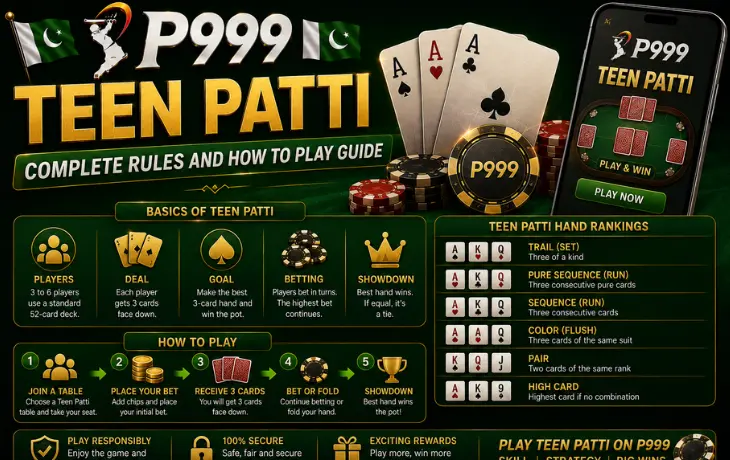
This applies to every game type, whether it’s a card game like Teen Patti, a fast-paced game like Aviator, live casino tables, or slots. The specific game doesn’t change the underlying need for self-control.
Responsible gaming isn’t about avoiding games entirely. It’s about approaching them with the same care you’d apply to any activity involving real money.
Why Responsible Gaming Matters
Games involving real money carry genuine financial risk, and that risk doesn’t disappear just because a game feels fun or fast-paced.
Without limits, it’s easy for a short session to stretch into a long one, or for a small loss to turn into a bigger one through chasing. These patterns can affect your finances, your relationships, and your overall wellbeing if left unchecked.
Important Reminder: Gaming should always be for entertainment only. Treating it as a reliable way to make money increases both financial and emotional risk significantly.
Healthy Gaming Habits
A few consistent habits make a real difference in keeping gaming enjoyable rather than stressful.
Healthy Habits vs Unhealthy Habits
| Healthy Habit | Unhealthy Habit |
|---|---|
| Setting a budget before playing | Deciding how much to spend while already playing |
| Playing for a fixed, planned amount of time | Losing track of time during a session |
| Treating wins and losses as part of entertainment | Expecting gaming to generate steady income |
| Taking regular breaks between sessions | Playing for long, uninterrupted stretches |
| Stopping after reaching a loss limit | Continuing to play to “win back” losses |
Daily Responsible Gaming Tips:
- Decide your budget and time limit before opening the app.
- Check in with yourself during a session: are you still enjoying it?
- Stop as soon as you reach either your budget or time limit.
- Avoid gaming when you’re stressed, upset, or trying to escape a bad mood.
Setting Time Limits
Time limits are one of the simplest tools for staying in control, and they work best when decided before you start playing.
- Pick a specific amount of time for your session, like 30 or 60 minutes.
- Set a phone timer or alarm so you’re not relying on memory alone.
- Stop playing when the timer goes off, even mid-session.
- Reflect briefly on how the session went before deciding whether to play again later.
Fast-paced games like Aviator or live casino tables can make time feel like it’s moving faster than it actually is, which makes a timer especially useful for these formats.
Setting Spending Limits
A spending limit works the same way as a time limit: decide it in advance, and treat it as a hard stop.
Ways to Stay in Control:
- Set a fixed budget for each session, separate from money needed for bills or essentials.
- Avoid keeping extra funds “just in case” you want to deposit more mid-session.
- Track your deposits over a week or month to see your actual spending pattern.
- Treat any winnings as a bonus, not as money to reinvest immediately.
Our deposit & withdraw page covers how transactions work, but the spending decision itself always comes down to your own planning beforehand.
Never Chase Losses
Chasing losses, betting more to try to recover money already lost, is one of the most common ways a gaming session turns into a genuine problem.
Warning Signs: Increasing your bet size specifically to “win back” a loss, or telling yourself “just one more round” repeatedly after a loss, are both signs worth paying attention to.
The safest response to a losing session is to stop, not to increase your stake. Losses are a normal part of any real-money game, and no amount of chasing changes the random nature of game outcomes.
Play Only with Money You Can Afford to Lose
This is one of the most important principles in responsible gaming, and it applies regardless of which game you’re playing.
Money set aside for rent, bills, food, or other essentials should never be used for gaming. If a loss would create genuine financial hardship, that amount was too much to risk in the first place.
Things to Avoid:
- Using money borrowed specifically to fund a gaming session.
- Dipping into savings meant for essential expenses.
- Depositing more than planned because a bonus made it feel low-risk.
- Treating a big win as proof that bigger bets are now safe.
Recognizing the Signs of Problem Gaming
Problem gaming doesn’t always look dramatic. Often it builds up gradually through small changes in behavior.
Warning Signs of Problem Gaming
| Sign | What It Might Look Like |
|---|---|
| Preoccupation | Thinking about gaming frequently outside of actual play sessions |
| Escalation | Needing to spend more money or time to get the same enjoyment |
| Loss of control | Struggling to stop even when you’ve decided to |
| Hiding behavior | Being secretive about how much time or money you’re spending |
| Financial strain | Using money meant for essentials to fund sessions |
| Emotional impact | Feeling anxious, guilty, or irritable about gaming habits |
Signs You Should Take a Break:
- You’ve lied to someone about how much you’ve spent or played.
- Gaming is affecting your sleep, work, or relationships.
- You feel a strong urge to play even after deciding to stop for the day.
- You’ve tried to cut back before and found it difficult.
If any of these sound familiar, it’s worth pausing and reflecting honestly, without judgment, on your current habits.
Tips to Stay in Control
A few practical strategies help reinforce the habits already covered in this guide.
- Set both a time limit and a spending limit before every session.
- Use reminders or alarms rather than relying on willpower alone.
- Avoid gaming as a response to stress, boredom, or a bad day.
- Take at least one full day off between sessions if you play regularly.
- Review your spending periodically to catch any gradual increase early.
Responsible Gaming Checklist
| Step | Done Before Playing? |
|---|---|
| Budget decided | Yes / No |
| Time limit set | Yes / No |
| No borrowed or essential funds involved | Yes / No |
| Mood checked (not stressed or upset) | Yes / No |
How to Take a Break from Gaming
Taking a break doesn’t need to be dramatic. A short pause is often enough to reset your relationship with gaming.
- Step away from the app for a set number of days, and use that time for other activities.
- Remove quick access, like shortcuts or saved payment details, to add a small pause before playing again.
- Talk to someone you trust about why you’re taking a break.
- Reflect on what triggered the urge to play more than planned, if that was a factor.
Responsible Gaming Tip: A planned break, even a short one, can help you reset your perspective and confirm that gaming still feels like entertainment rather than a habit you can’t control.
Protecting Your Account
Responsible gaming also includes basic account safety, since a compromised account can lead to unplanned spending or losses.
- Use a strong, unique password for your account.
- Never share your login details or OTP with anyone.
- Log out on shared or public devices after each session.
- Review our Trust and Safety page for more detail on spotting fake apps and scam links.
Keeping your account secure is a practical part of staying in control, not just a technical safety step.
Age Restrictions (18+)
Real-money gaming apps are intended for adults only. Anyone under 18 should not create an account, deposit funds, or participate in real-money games.
Parents and guardians should be aware of what apps are installed on shared devices, and should not allow minors to access accounts or payment details tied to real-money gaming. Age verification during registration exists as one safeguard, but device-level supervision matters just as much in practice.
Talking to Family or Friends
Involving someone you trust can make it much easier to stick to your own limits.
- Tell a trusted family member or friend about your budget and time limits.
- Ask them to check in with you occasionally about your gaming habits.
- Be honest if your habits start to shift, rather than hiding it.
- Consider setting shared household rules if gaming affects family finances.
Talking about gaming openly reduces the secrecy that often lets unhealthy habits grow unnoticed.
Where to Find Professional Help
If gaming starts to feel like it’s affecting your finances, relationships, work, or mental health, reaching out for support is a reasonable and often helpful step.
Qualified mental health professionals and counselors can help address gambling-related concerns, the same way they would for other behavioral health issues. A trusted doctor or local health service can also point you toward appropriate resources in your area.
Safety Tips Summary
| Situation | Suggested Step |
|---|---|
| Occasional overspending | Reset your budget and time limits going forward |
| Difficulty stopping despite wanting to | Take a longer break and talk to someone you trust |
| Financial strain from gaming | Speak with a trusted family member and consider professional support |
| Persistent urges affecting daily life | Consult a qualified mental health professional |
There’s no shame in asking for help. Recognizing a pattern early and addressing it is a sign of self-awareness, not failure.
How This Responsible Gaming Guide Applies Across the App
The habits covered in this Responsible Gaming Guide apply the same way whether you’re just getting started or you’ve been playing for a while.
If you haven’t set up your account yet, our download page and login page cover the basics of getting started, and the same budgeting principles should apply from your very first session. If you’re already using bonuses regularly, check our bonus page for current terms, since bonus offers should never be a reason to deposit more than planned.
New players and regular players both benefit from the same core idea: decide your limits before you start, and treat every session as entertainment first.
Frequently Asked Questions
What does responsible gaming mean?
It means playing with clear budget and time limits, treating games as entertainment, and paying attention to how gaming affects your daily life.
How much money should I spend on gaming?
Only an amount you can genuinely afford to lose, separate from money needed for essentials like rent, bills, or food.
What should I do if I keep chasing losses?
Stop the session immediately, and consider taking a longer break. Chasing losses tends to increase both financial risk and stress.
Is it normal to lose money while gaming?
Yes, losses are a normal part of any real-money game. The goal of responsible gaming is managing that risk, not eliminating it entirely.
How do I know if gaming has become a problem?
Signs include difficulty stopping, hiding your habits, using essential funds, or noticing gaming affecting your mood, sleep, or relationships.
Can I set limits directly in the app?
Check the account or settings section inside the app for any available limit-setting features, since options can vary by version.
Is gaming a reliable way to make money?
No. Gaming should be treated strictly as entertainment. Relying on it as an income source significantly increases financial risk.
Who can I talk to if I’m worried about my habits?
A trusted family member, friend, or a qualified mental health professional are all reasonable starting points for support.
Does age matter for responsible gaming?
Yes, real-money gaming apps are intended for adults only. Anyone under 18 should not create an account or access real-money games.
Where can I learn more about the legal side of gaming in Pakistan?
Our Online Gaming Laws in Pakistan page covers the general legal landscape in more detail.
Final Thoughts
This Responsible Gaming Guide comes down to a few consistent habits: set your budget and time limit in advance, never chase losses, and treat every session as entertainment rather than income. Small, consistent choices matter more than any single decision made in the moment.
If gaming ever starts to feel less like fun and more like a habit you can’t control, that’s worth taking seriously. Talk to someone you trust, consider a break, and reach out to a qualified professional if the feeling persists.
For more on the games covered throughout this guide, visit our Games Hub, or explore Teen Patti, Aviator, Live Casino, and Slots individually. Check our FAQs Hub for general questions, or start from our homepage for a full overview of P999 Game.