Online Gaming Laws in Pakistan – What Every Player Should Know
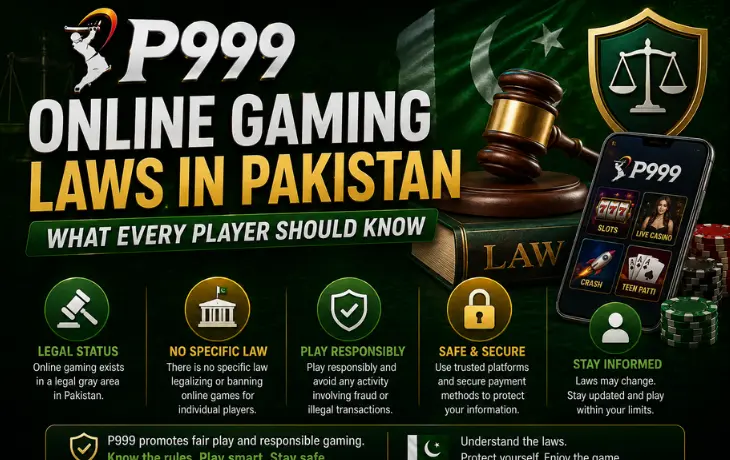
Online Gaming Laws in Pakistan can feel confusing, especially with so many gaming apps available and very little clear guidance from official sources. This page breaks down what’s actually written in Pakistani law, how it applies to online platforms, and where the real gray areas sit.
This is educational content only, not legal advice. Laws change over time, and enforcement can shift as new apps and technologies appear. Always check official government and regulatory sources for the most current information before making any decisions.
Quick Answer: Pakistan’s gambling laws come mainly from the Prevention of Gambling Act, 1977, and related provincial ordinances, which broadly prohibit gambling. There is no single dedicated law written specifically for online gaming apps, so existing gambling law, the Prevention of Electronic Crimes Act (PECA), and PTA’s website-blocking powers are the main tools used to address online platforms.
What Are Online Gaming Laws in Pakistan?
The rules governing gaming and gambling in this country aren’t found in one single piece of legislation written specifically for the internet age. Instead, they’re built from older gambling laws, cybercrime legislation, and telecom regulation working together.
The core law is the Prevention of Gambling Act, 1977, which applies broadly across the country and prohibits most forms of gambling. Provincial ordinances from 1961 and 1978 cover similar ground at the provincial level, and Section 294A of the Pakistan Penal Code criminalizes running a public gambling house.
None of these laws were written with mobile apps in mind, since they predate the internet entirely. That gap is part of why online gaming sits in a legally unclear space rather than a clearly defined one.
Legal Notice: This section summarizes publicly available legislation for general understanding. It is not a substitute for professional legal advice, and laws can be amended or interpreted differently over time.
Is Online Gaming Legal in Pakistan?
This is the question most people actually want answered, and the honest response is that it depends on the type of activity involved.
Games of pure skill, with no money changing hands, generally fall outside gambling law entirely. Once real money is involved and outcomes depend significantly on chance, the activity can fall under the Prevention of Gambling Act and related provincial laws, which treat gambling as a criminal offense with fines and potential imprisonment.
Real-money card and casino-style apps occupy a particularly unclear position. Pakistan doesn’t have a dedicated regulator that licenses or approves this specific category of app, and the existing gambling laws weren’t written with online platforms in mind. This guide does not claim that any specific app or platform is legal or illegal. That determination depends on facts, enforcement decisions, and legal interpretation that can change, so verify current details from official government sources if this matters for your situation.
Difference Between Online Gaming and Gambling
These two terms get used interchangeably, but they aren’t the same thing under Pakistani law.
| Factor | Online Gaming | Gambling |
|---|---|---|
| Money involved | Not always required | Real money staked on outcomes |
| Outcome basis | Can be skill-based or chance-based | Primarily chance-based |
| Legal treatment | Generally unregulated if no money is at stake | Covered by the Prevention of Gambling Act |
| Examples | Mobile puzzle games, esports, free-to-play apps | Card betting, casino-style apps, wagering platforms |
The line gets blurry with “real-money gaming” apps that combine game mechanics with cash prizes. Whether a specific game counts as gambling under the law can depend on details like how much skill is genuinely involved, which isn’t always clear-cut.
Things Every User Should Know
- Adding real money to any game changes its legal risk profile significantly.
- Skill-based real-money games and chance-based real-money games are not treated the same way under gambling law.
- The presence of an app on your phone doesn’t confirm anything about its legal status.
- Terms like “gaming” and “gambling” are used loosely in marketing, but the law looks at the actual mechanics involved.
Current Legal Framework
A few pieces of legislation work together to form Pakistan’s approach to gambling and, by extension, online gaming.
| Law | What It Covers |
|---|---|
| Prevention of Gambling Act, 1977 | Broadly prohibits gambling activities and public gambling houses nationwide |
| Provincial gambling ordinances (1961, 1978) | Provincial-level versions covering similar prohibitions |
| Pakistan Penal Code, Section 294A | Criminalizes operating a public gambling house |
| Prevention of Electronic Crimes Act (PECA), 2016 | Covers cybercrime, which has been applied to online gambling operations in some cases |
| PTA regulations | Allow blocking of websites and apps found to violate Pakistani law |
Penalties under the Prevention of Gambling Act vary by offense, ranging from modest fines to imprisonment of up to two years for gambling in a private venue, and similar penalties for those running or participating in gambling houses. These figures come from the original legislation and can be subject to amendment, so treat them as general reference points rather than current, verified figures.
Important Information: No single, dedicated “online gaming law” currently covers every situation in Pakistan. Authorities apply existing gambling law, PECA, and telecom regulation to online platforms on a case-by-case basis.
How PTA Handles Gaming Websites and Apps
The Pakistan Telecommunication Authority (PTA) plays a central role in how online gambling and gaming platforms are addressed in practice, even though it isn’t a gambling regulator in the traditional sense.
PTA has the authority to block websites and apps at the internet service provider level when they’re found to violate Pakistani law. Reports indicate PTA has blocked well over a hundred gambling-related websites and apps over time, and this kind of enforcement action can happen with little public notice.
This means a gaming app being accessible today doesn’t guarantee it will remain accessible tomorrow. Blocking decisions are made by PTA based on its own review process, not by user reports or app store listings, and there’s no public registry that tells users in advance which apps might be targeted next.
Types of Gaming Apps
| App Type | Typical Legal Exposure |
|---|---|
| Free-to-play, no real money | Generally low legal exposure |
| Skill-based competitions with entry fees | Legal position can vary, often unclear |
| Real-money card and casino apps | Higher exposure under gambling law |
| Apps using cryptocurrency for deposits | Additional complexity from financial regulation, separate from gambling law |
Real-Money Gaming Apps Explained
Real-money gaming apps let users deposit funds, play games, and potentially withdraw winnings. This category includes card games, casino-style games, and fast-paced betting formats.
These apps often operate from outside Pakistan, or route payments through third-party gateways, which adds another layer of legal and practical complexity. Because there’s no dedicated licensing body for this app category in Pakistan, users generally can’t verify an app’s legal status the way they might check a bank’s regulatory license.
This uncertainty affects everyone using this type of app, regardless of which platform they choose. It’s not specific to any one app, and it’s not something that changes just because an app looks professional or has a large user base.
Risks Users Should Know
Beyond the legal uncertainty itself, there are practical risks worth understanding before using any real-money gaming app.
Legal Risk Overview
| Risk Area | What It Means for Users |
|---|---|
| App blocking | An app could become inaccessible without warning if PTA takes action |
| Payment tracing | Deposits and withdrawals through local payment methods can be reviewed by banks or payment providers |
| Account and fund access | If an app or its payment channel is disrupted, accessing your funds could become difficult |
| Personal legal exposure | Participation in gambling-classified activity could carry legal risk under the Prevention of Gambling Act |
None of this means any specific app has been found illegal by a court or regulator. It means the underlying legal environment carries genuine uncertainty that every user should factor into their own decisions.
How to Stay Safe Online
Whatever you decide about using real-money gaming apps, a few habits reduce your overall risk.
Safety Tips:
- Never deposit more money than you’re prepared to lose entirely.
- Keep records of your deposits and withdrawals in case you need them later.
- Avoid sharing your banking or payment app credentials with anyone, including people claiming to help with gaming apps.
- Research an app’s reputation and history before committing significant funds.
- Understand that using any real-money gaming app carries both financial and legal uncertainty in Pakistan.
Safety Reminder: No app or guide, including this one, can guarantee your legal position when using real-money gaming platforms. If this matters significantly to you, consult a qualified legal professional familiar with Pakistani law.
Safety Checklist
| Step | Why It Matters |
|---|---|
| Confirm you understand the app’s actual mechanics | Determines whether it’s skill-based or chance-based |
| Set a strict personal budget | Limits financial exposure regardless of legal status |
| Avoid apps requesting excessive personal information | Reduces risk of fraud or data misuse |
| Stay updated on PTA announcements | Helps you react quickly if an app is blocked |
| Review our Trust and Safety page | Covers how to spot fake apps and scam links |
Common Myths About Gaming Laws
A few misunderstandings come up repeatedly when people discuss online gaming laws in Pakistan.
Common Misunderstandings:
- “If an app is available for download, it must be legal.” Availability doesn’t confirm legal status. Apps can operate for years before facing any regulatory action, or none at all.
- “Only the app operator faces legal risk, not the user.” The Prevention of Gambling Act includes penalties for individuals participating in gambling, not just operators.
- “Using cryptocurrency makes an app exempt from gambling law.” Payment method doesn’t change how an activity is classified under gambling law, though it can add separate financial regulatory questions.
- “There’s a specific ‘online gaming license’ apps can obtain in Pakistan.” No such dedicated licensing framework for real-money gaming apps currently exists.
Warning Signs to watch for in any app claiming special legal status:
- Claims of “government approval” without any verifiable source.
- Pressure to deposit quickly before “verifying” legitimacy yourself.
- Refusal to explain how the app handles Pakistani regulations when asked directly.
Where the Law Continues to Evolve
Legislation in this area doesn’t stand still. Pakistan’s National Assembly and provincial legislatures periodically consider new bills related to digital finance, cybercrime, and electronic transactions, and any of these can indirectly affect how online gaming platforms are treated.
For example, broader financial regulation around digital payments and virtual assets has developed separately from gambling law, but the two areas can overlap when an app uses cryptocurrency or unconventional payment routes for deposits and withdrawals. A change in one area doesn’t automatically change the other, but it’s worth understanding that these frameworks are not static.
This is part of why hedging language matters throughout this page. A detail that’s accurate today could be outdated within a year, and relying on secondhand summaries, including this one, is never a substitute for checking primary legal sources directly when the stakes are meaningful to you.
How to Verify Current Regulations Yourself
If you want to check the latest position rather than rely on general guides, a few starting points are useful.
- Search Pakistan’s official law portal for the current text of the Prevention of Gambling Act and any amendments.
- Check PTA’s official announcements for recent website or app blocking actions.
- Review reporting from established Pakistani news outlets for context on enforcement trends.
- Consult a lawyer licensed in Pakistan if you need advice tailored to your specific situation.
None of these steps require specialized access. They’re the same public resources available to anyone trying to understand where the law currently stands.
Frequently Asked Questions
Is online gambling illegal in Pakistan?
Gambling is broadly prohibited under the Prevention of Gambling Act, 1977, and related provincial laws. How this applies to specific online platforms can vary and isn’t always clearly settled.
Is there a specific law for mobile gaming apps?
No. Pakistan doesn’t currently have a dedicated law written specifically for mobile or online gaming apps. Existing gambling law, PECA, and PTA regulation are applied instead.
Can PTA block a gaming app at any time?
Yes. PTA has blocked numerous gambling-related websites and apps, and this kind of action can happen without prior public notice.
Does using a VPN make online gaming legal?
No. A VPN can change how you access a service, but it doesn’t change the underlying legal classification of the activity itself.
Are skill-based games treated the same as gambling?
Not necessarily. Games judged to be genuinely skill-based can be treated differently than chance-based games, though this distinction isn’t always clearly defined in practice.
Where can I check the current legal status of gambling laws?
Official sources like the Pakistan Telecommunication Authority, the National Assembly’s legislative records, and Pakistan’s official law portal are good starting points for current information.
Can I get in legal trouble just for playing, not operating, a gaming app?
The Prevention of Gambling Act includes penalties for participants, not only operators, so this is a genuine consideration rather than a purely theoretical one.
Do payment apps like EasyPaisa or JazzCash monitor gaming transactions?
Payment providers can review transactions as part of their own compliance processes. Specific practices aren’t something this guide can confirm, so check directly with your provider if this concerns you.
Is this page giving me legal advice?
No. This page is for general educational purposes only. For advice specific to your situation, consult a qualified lawyer familiar with Pakistani law.
Final Thoughts
This topic sits at the intersection of older gambling legislation, cybercrime law, and telecom regulation, without one single clear rulebook for online platforms. That gap creates real uncertainty for anyone using real-money gaming apps, regardless of which one they choose.
Treat this page as a starting point for understanding the landscape, not a final answer about any specific app’s legal status. Laws and enforcement approaches can change, so verify current details through official government sources whenever this matters to your own situation, and speak with a qualified legal professional if you need advice specific to your circumstances.
If you’re exploring P999 Game specifically, our homepage provides a general overview, and our download page covers installation steps. Our Trust and Safety page and Responsible Gaming Guide cover practical safety steps beyond the legal picture. For account and payment questions, see our register, login, deposit & withdraw, and bonus pages, or check our FAQs Hub for quick answers to common questions.